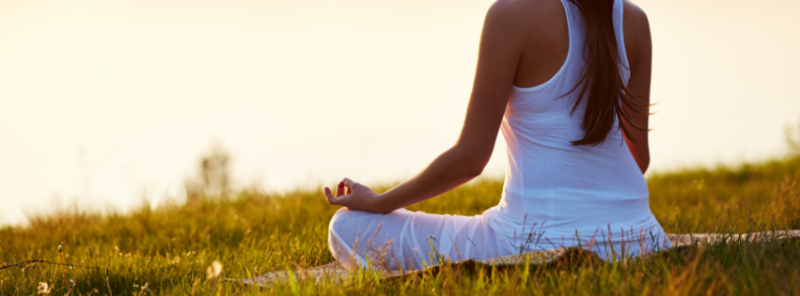
Spending time outdoors has long been recognised for its profound impact on physical and mental well-being. In today's fast-paced, technology-driven world, reconnecting with nature offers numerous benefits that can enhance our overall health and quality of life. Here’s an exploration of the healing power of nature and why spending time outdoors is so beneficial:
1. Mental Health Benefits
- Stress Reduction: Nature has a calming effect, reducing cortisol levels (the stress hormone) and promoting relaxation. Simply being in a natural environment can lower blood pressure and decrease anxiety.
- Improved Mood: Exposure to sunlight boosts serotonin levels, which can help improve mood and combat depression. Natural surroundings often evoke feelings of peace and contentment.
- Enhanced Cognitive Function: Time spent in nature can improve concentration, creativity, and problem-solving skills.
2. Physical Health Benefits
- Boosted Immune System: Regular exposure to nature can strengthen the immune system. The phytoncides (natural chemicals released by plants) in forest environments have been linked to increased immune activity.
- Increased Physical Activity: Outdoor environments encourage physical exercise, whether it’s walking, hiking, biking, or gardening. This helps with weight management, cardiovascular health, and overall fitness.
- Better Sleep: Natural light helps regulate circadian rhythms, leading to better sleep patterns. Spending time outdoors, especially in the morning, can help reset your internal clock, promoting deeper and more restful sleep.
3. Connection with Nature and Others
- Sense of Belonging: Spending time in nature fosters a sense of connection with the environment and can enhance feelings of belonging. This connection can reduce feelings of isolation and loneliness.
- Social Interaction: Outdoor activities often provide opportunities for socialising, whether it's a group hike, a community garden, or a family picnic. Positive social interactions are essential for mental and emotional well-being.
4. Spiritual and Emotional Healing
- Mindfulness and Presence: Nature encourages mindfulness, the practice of being present in the moment. This can help reduce rumination and increase emotional resilience.
- Inspiration and Reflection: The beauty and tranquillity of natural settings often inspire introspection and creativity. Many people find that spending time outdoors provides clarity and a renewed sense of purpose.
5. Environmental Awareness and Conservation
- Fostering Environmental Stewardship: Spending time in nature often increases awareness and appreciation for the environment. This connection can lead to more environmentally conscious behaviours and a desire to protect natural spaces.
Practical Tips for Spending More Time Outdoors
- Incorporate Nature into Daily Routines: Take a walk during your lunch break, exercise in a park, or enjoy meals outside when possible.
- Plan Outdoor Activities: Schedule regular outdoor activities such as hiking, bird watching, or camping.
- Create Outdoor Spaces at Home: If you have a garden, patio, or balcony, transform it into a relaxing outdoor retreat where you can unwind and enjoy nature.
The healing power of nature is undeniable, offering a multitude of benefits for our mental, physical, and emotional well-being. Whether through a walk in the park, a hike in the mountains, or simply sitting in your backyard, spending time outdoors is an investment in your health and happiness. Reconnecting with nature allows us to escape the stresses of modern life, find peace, and return to our roots.
Disclaimer
The content published on this blog is for informational and educational purposes only. It represents the views and experiences of the author(s) and is not intended to replace professional medical advice, diagnosis, or treatment.
Discussions of natural, complementary, or alternative therapies are shared as personal or anecdotal experiences unless otherwise supported by credible scientific evidence. These are not claims of cure or guaranteed results.
Readers are strongly encouraged to consult qualified healthcare professionals before making any decisions related to their health or well-being. IPHM does not endorse specific therapies, products, or practitioners unless explicitly stated.
By engaging with this content, you acknowledge that any reliance on the information provided is at your own risk.