There is a side of our profession that we therapists rarely speak about openly. We’re comfortable addressing aspects of our work like our passion, purpose or our genuine desire to help others, yet we so rarely share a more challenging reality that many of us experience.
I am talking here about burnout, physical strain, and a sense of professional plateauing. I’ve witnessed it hit some therapists even after just few years in practice, and I find myself asking: why does a career built around healing others so often become unsustainable for the therapist themselves?
Why Training Alone Does Not Prevent Therapist Burnout
Many of us therapists leave training feeling technically prepared but not necessarily equipped for the long-term demands of the profession. We might have learnt the techniques and the routines, but what is often missing in the training is a deeper awareness of how to work with our body over time. An understanding of how to use the correct posture or how to maintain energy and focus throughout a full day of practice.
Once the initial training is finished and we step into real-world practice, it is no longer just about delivering a treatment. It is about knowing how to do it consistently, safely, and sustainably, with passion and a sense of commitment that grows and nurtures us day after day and year after year. I am convinced that without that foundation, even the most skilled and motivated therapist can find themselves depleted far sooner than they expected.
Therapist self-care, burnout and injury prevention rarely feature in initial training, yet they’re among the most important factors in determining how long we stay active and well in our career; and I have been witnessing so many therapists leaving their profession in the peak of their growth because their mental, physical, emotional and spiritual wellbeing was never fully addressed properly.
How Poor Body Mechanics Accelerate Burnout in Therapists
One of the most overlooked factors in therapist longevity is posture. It is not just about simply "standing correctly", but how we position our bodies during treatments, how we transfer weight to use leverage rather than force while still being able to offer deep and continuous pressure at the same time.
These are skills that need to be developed from the beginning, otherwise therapists will start to compensate with effort rather than technique, leading to poor posture and unnecessary strain. Over time, it will inevitably create long-term struggles like fatigue, discomfort, and eventually injury.
Body awareness and a deep understanding of connection between posture, breathing and precision of each movement must be at the core of every training. Because our body is our most important professional tool, and how we use it determines how long we can continue practising.
Investing in body awareness is not a luxury; it is a core part of our self-care and a direct line of defence against burnout.
In my own experience as a working therapist, I have also noticed that if I use my body correctly during the treatment, it completely changes the quality of the treatment itself. While working with proper alignment and economy of movement, I was able to deliver a more targeted, effective pressure with far less physical cost to myself.
When Repetition Replaces Growth: A Warning Sign for Therapist Wellbeing
Another common challenge I’ve witnessed that can lead to plateauing and eventually burnout is falling into repetition. The structure of the treatment is very important, but we need to remember that each client is different. They have their own individual story on both a physical and emotional level, therefore our treatments must adapt and be tailored to the specific needs of each client.
I’ve been running my practice for decades now with many regular clients, yet whenever they come, I almost try to see them as a new person every time. I listen to whats happened in their life since I last saw them and I adapt my treatment accordingly.
Without this skill, I strongly believe we would gradually lose a sense of progression in our work. We’d lose this feeling of passion and enthusiasm that is guaranteed to fuel us with a sense of achievement and fulfilment.
This does not just affect us therapists; it affects the client experience too. I’m convinced that truly effective treatments are not built on repetition. They’re built on responsiveness and the ability to assess, adapt, and refine in real time.
When a practitioner stops growing, burnout often follows. Our work begins to feel mechanical rather than meaningful, and that shift in engagement is one of the earliest signs that our professional wellbeing is starting to erode. Staying curious, and continuing to develop, is itself a form of therapist self-care.
Self-Awareness as a Core Therapist Self-Care Practice
Longevity in our profession is not purely physical, its also mental and emotional too. When we reflect on our work, assess what is effective and whats not, then we keep growing, staying genuinely curious about how we can improve.
If we want to deliver truly meaningful treatments, we need to set a clear intention before each session, and we can build this by simply clarifying with clients their specific expectations and concerns beforehand.
Only then can the treatment go above being technically correct, using techniques in a way that delivers both depth and effectiveness. It’s all about understanding the purpose behind each technique and knowing why they’re applied in the way they are.
Self-awareness also means having the ability to realise we’re running low and recognise the needs of our own body. Being honest about our own energy, emotional capacity, and physical limits, and seeing this ability as a strength, not a weakness.
I call it professional maturity, and I believe that therapist burnout prevention begins with the willingness to pay attention to ourselves with the same care we give our clients.
What Genuine Burnout Prevention for Therapists Looks Like
If we are to build and maintain long, sustainable careers, our focus needs to shift. Technical knowledge is a great base, but from my experience of teaching therapists and running my own practice, I believe learning techniques it is not enough on its own.
There needs to be a greater emphasis on understanding the principles behind them, developing body awareness, and prioritising our self-care as a central part of our professional practice, not an afterthought.
Learning should not be something that ends at qualification. It should continue throughout our career, in ways that address not just technical skill but also physical sustainability, emotional resilience, and professional confidence.
My own experience of growth showed me that longevity does not just happen. It is built over time through awareness, consistency, and the right foundations. This is why ongoing education and access to supportive learning environments matter so much, not just in the early years, but throughout a therapist’s working life.
It keeps us developing, changing, sometimes challenging us, and pushing us to think in new ways and see our work from new perspectives. It helps us grow and become even better therapists, more effective, more self aware and more compassionate. That means we can stay in this profession, not just for a moment, but turn it into a fascinating lifelong journey.
I’ve noticed in recent years that there is more awareness among us therapists on the importance of learning not only technique, but also correct posture, body awareness and how to take care of the therapists' wellbeing to build a sustainable practice.
More practitioners are now recognising the value of platforms and courses that focus on this kind training, and I’m convinced that having access to this guidance outside of the treatment room can make a profound positive difference over time.
When we give treatments, we use our mental, physical, emotional, and spiritual resources. It is essential that each of these aspects are addressed and supported, so we can continue to enjoy our work and make a real difference.
Final Thought
I believe that a successful therapist is not just someone who delivers a great treatment today. They’re someone who can still do it in five or ten years' time, with the same enthusiasm and conviction, without compromising their own wellbeing in the process.
I know that it's more than possible, but it requires a different approach: one that values sustainability just as much as skill, and that sees therapist self-care not as an indulgence but as a professional necessity.
About the Author
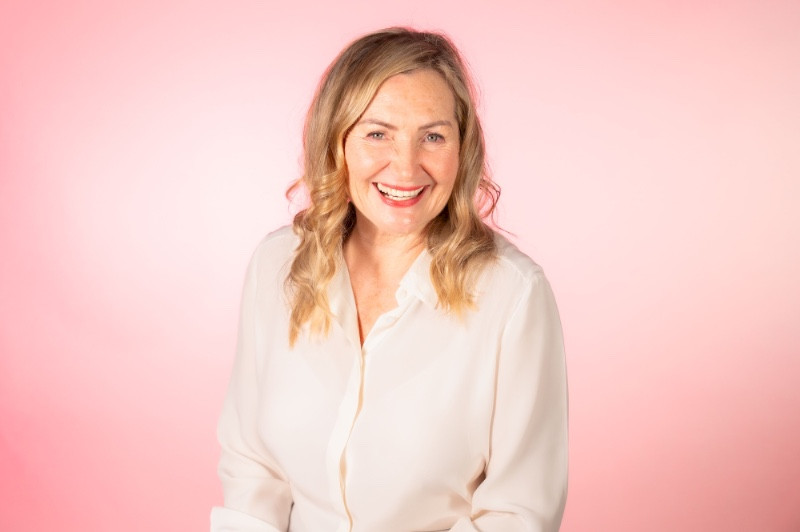
Beata Aleksandrowicz is an internationally recognised massage expert and the founder of Beata Digital Academy, a platform dedicated to advanced massage education and therapist development.
Through a combination of face and body massage techniques, practical anatomy and physiology knowledge, and practitioner-focused training in software skills and self-care strategies, the Academy supports therapists in building sustainable, long-term careers.
IPHM editorial note: At IPHM, we believe that supporting our practitioners means looking beyond qualifications and into the real, day-to-day realities of building a career in holistic therapy. This article, written by internationally recognised massage expert Beata Aleksandrowicz, speaks directly to something we hear from members regularly: the quiet, cumulative toll that practice can take when the right foundations are not in place.
If you are thinking about your own professional development and longevity, explore our CPD resources for members here or find out more about IPHM membership and the support available to you.
Disclaimer
The content published on this blog is for informational and educational purposes only. It represents the views and experiences of the author(s) and is not intended to replace professional medical advice, diagnosis, or treatment.
Discussions of natural, complementary, or alternative therapies are shared as personal or anecdotal experiences unless otherwise supported by credible scientific evidence. These are not claims of cure or guaranteed results.
Readers are strongly encouraged to consult qualified healthcare professionals before making any decisions related to their health or well-being. IPHM does not endorse specific therapies, products, or practitioners unless explicitly stated.
By engaging with this content, you acknowledge that any reliance on the information provided is at your own risk.