A note for holistic and beauty practitioners who give a lot and forget to receive
You spend a lot of your working life holding space for other people.
You're tuned into their energy, their needs, their progress. You track their responses. You adjust your approach. You care, often deeply, about how they're getting on.
And then you go home, tick off the day, and quietly forget to apply any of that same attention to yourself.
Sound familiar?
It's one of the most common patterns I see in holistic and beauty practitioners. An incredible capacity for supporting others, paired with very little structure around their own growth. Not because they don't value learning, but because professional development often gets positioned as something you do to stay compliant, rather than something that genuinely feeds you.
I want to offer a different way of thinking about it.
Your development isn't a box to tick. It's how you stay connected to why you started.
When you first trained, something sparked. A curiosity, a calling, a belief that what you were learning could genuinely help people. Ongoing learning at its best keeps that alive. It brings in new ideas, deepens your understanding, challenges you a little, and reminds you that you are part of a wider professional world, not just working solo in a therapy room or training suite.
That matters. Especially for practitioners who work independently, without colleagues to bounce ideas off or managers to encourage their development.
What does mindful personal development actually look like in practice?
It's not about cramming in as many courses as possible. Here are some ways to approach your ongoing growth with more intention.
1. Start with where you actually are, not where you think you should be
Before choosing your next course or training, pause and ask yourself: what am I genuinely curious about right now? Where do I feel least confident with clients? What would make me feel more capable, more grounded, or more inspired?
Let the answers guide your choices rather than defaulting to whatever's on offer or whatever everyone else seems to be doing.
2. Treat reflection as part of the learning
The most valuable growth often happens in the quiet moments after the training, not during it. Setting aside even ten minutes to write down what you've taken in, what it's shifted in your thinking, or how you might apply it, turns passive learning into something that actually sticks.
A simple notebook works. You don't need a formal system.
3. Let your development be varied
Learning doesn't have to mean formal courses. Reading a book relevant to your field, attending a live event, listening to a specialist podcast, having a good honest conversation with a mentor, or observing how a peer handles something you find tricky, can all move you forward.
What matters is that you're actively engaging with your professional growth, not just passively ticking along.
4. Build in recovery, not just activity
This one is particularly relevant for practitioners in energy-based or bodywork modalities. You cannot pour from an empty vessel, and your development should include space to integrate what you're learning, not just accumulate more of it.
If you're burning through training after training without pausing to rest and reflect, the learning doesn't land the way it could.
5. Recognise what you already know
One of the quieter forms of professional development is acknowledging your own expertise. Many practitioners underestimate how much they've built up over years of practice. Reflective journalling, peer conversations, and mentorship can all help you see your own growth more clearly, and that clarity is genuinely valuable.
You deserve to keep growing too.
Your clients benefit when you're learning, reflecting, and showing up as the best version of your professional self. But beyond what it does for them, your development matters because you chose this profession with intention. Keeping that intention alive is worth investing in.
Whether you're already part of the IPHM community or you're thinking about joining and want to know more, we'd love to hear from you. Head over to iphm.co.uk to find out more about membership and accreditation.
Written by: Lisa Elsworth, CEO of IPHM and Founder of the IPHM Growth Hub.
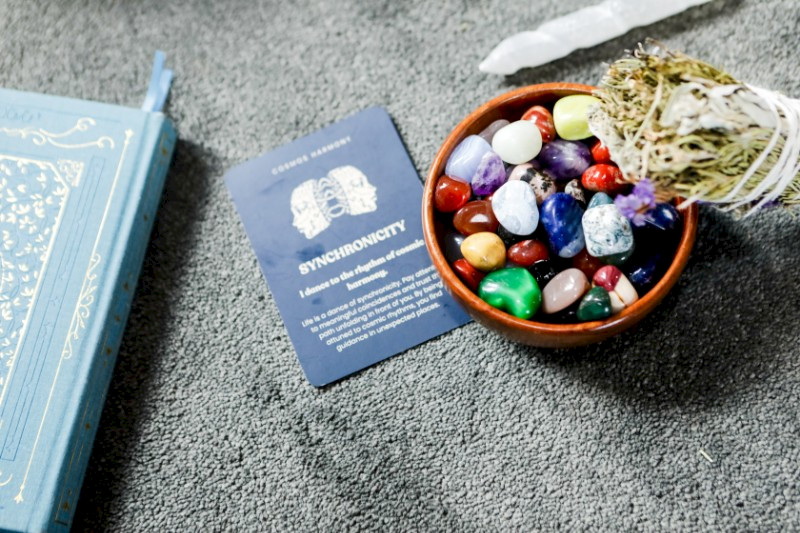
Photo credit: Photography by Aga Mortlock
Disclaimer
The content published on this blog is for informational and educational purposes only. It represents the views and experiences of the author(s) and is not intended to replace professional medical advice, diagnosis, or treatment.
Discussions of natural, complementary, or alternative therapies are shared as personal or anecdotal experiences unless otherwise supported by credible scientific evidence. These are not claims of cure or guaranteed results.
Readers are strongly encouraged to consult qualified healthcare professionals before making any decisions related to their health or well-being. IPHM does not endorse specific therapies, products, or practitioners unless explicitly stated.
By engaging with this content, you acknowledge that any reliance on the information provided is at your own risk.